
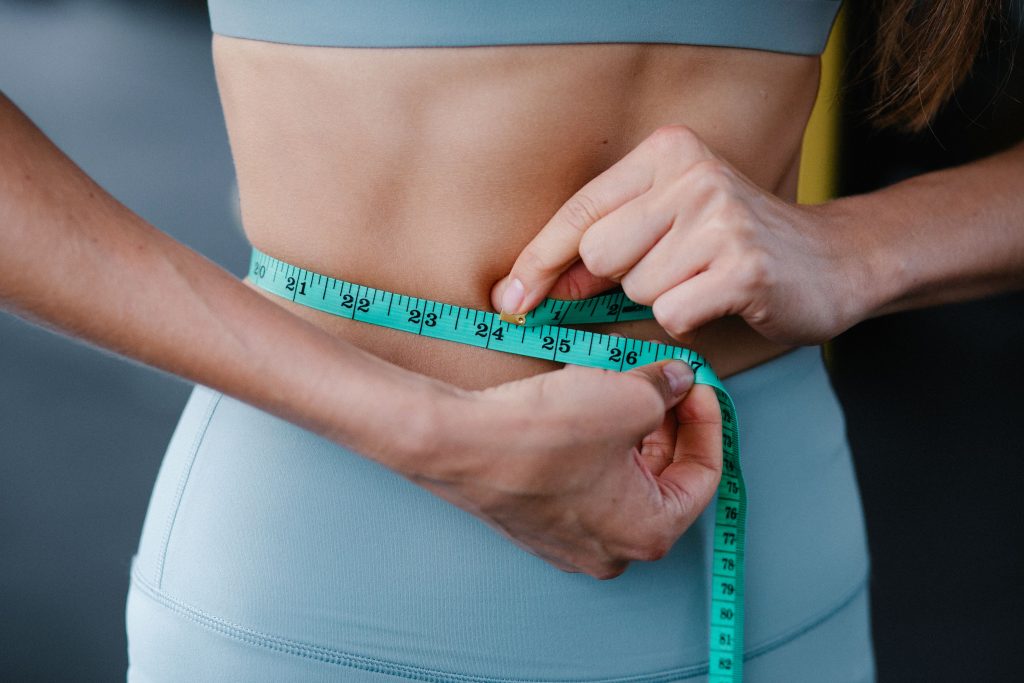
Ever feel like you are doing everything right but the scale just won’t budge? You are eating clean and hitting the gym, yet nothing seems to change. It is incredibly frustrating, but the real culprit might be hiding right inside your stomach. Let’s discover how gut health affects weight loss.
Your digestive system is home to trillions of tiny microbes that run the show behind the scenes. This bustling ecosystem influences how you break down food, absorb nutrients, and even store stubborn fat. By learning to care for your gut, you can finally unlock sustainable weight loss and feel amazing.
What Is Gut Health?
Think of your gut as a busy inner city. Gut health is all about keeping the peace among the trillions of microbes living there.
A happy digestive tract needs a diverse mix of good bacteria to function at its absolute best. When these little guys are thriving, your whole body benefits.
What Your Gut Bacteria Do for You:
- Break down food for smooth, easy digestion.
- Absorb nutrients so you actually get energy from your meals.
- Produce essential vitamins that your body cannot make on its own.
- Support immune function to keep you from getting sick.
- Regulate metabolism and help manage your weight.
- Reduce inflammation throughout your entire system.
When bad bacteria take over, your health suffers. This imbalance can quickly stall your weight loss efforts.
How Gut Health Affects Weight Loss
The link between your gut and your waistline is stronger than you might think. Here are four major ways your microbes call the shots.
1. Influences Metabolism
Good bacteria help your body burn energy efficiently. They keep your metabolic engine running smoothly every day. An unhealthy gut can slow this process down, leading to unexpected weight gain.
2. Controls Hunger and Cravings
Your gut talks directly to your brain using a pathway called the gut-brain axis. Healthy microbes regulate your primary hunger hormones, ghrelin and leptin.
The Hormone Balance:
Ghrelin: Tells your brain when it is time to eat.
Leptin: Signals your brain when you are completely full.
When these hormones work correctly, you will experience fewer intense cravings for sugar and junk food.
3. Reduces Inflammation
Chronic inflammation is a silent contributor to weight gain and metabolic issues. A damaged gut allows toxins to leak into your body, triggering an inflammatory response. Healing your gut calms this inflammation, making it much easier to burn fat.
4. Impacts Fat Storage
Fascinating research shows that your microbial mix changes how your body stores fat. People with a highly diverse microbiome naturally tend to manage their weight much better. Less diversity often links to higher body fat percentages.
Signs Your Gut Health May Need Improvement
Your body is great at sending warning signs when things are off balance. Look out for these common red flags:
- Frequent bloating and gas
- Unpredictable constipation or diarrhea
- Intense, non-stop sugar cravings
- Chronic fatigue and low energy
- Struggling to lose weight despite dieting
- New food sensitivities
- Getting sick more often than usual
Lifestyle Habits That Support Gut Health & Weight Loss
Eating well is just one piece of the puzzle. Your daily habits matter just as much for a healthy microbiome.
1. Get Enough Sleep
Skipping sleep disrupts your gut bacteria and spikes your hunger hormones. Aim for seven to nine hours of solid rest every single night.
2. Manage Stress
Chronic stress wrecks your gut environment and often triggers emotional eating. Take time to unwind using simple tools. Try deep breathing, mindfulness, yoga, journaling, or a quiet walk outside.
3. Stay Physically Active
Regular exercise encourages a wider variety of good bacteria to grow. Find activities you enjoy, like strength training, walking, swimming, or cycling.
4. Stay Hydrated
Water keeps everything moving smoothly through your digestive tract. Drink water consistently throughout the day to support your cellular health.
Foods That Can Harm Gut Health
Some foods act like kryptonite for your good gut bacteria. Try to limit these items in your daily routine:
- Highly processed meals
- Sugary sodas and juices
- Excessive added sugars
- Artificial sweeteners
- Too much alcohol
- Deep-fried foods
You do not have to be perfect. Just enjoy these foods as occasional treats rather than daily staples.
Can Probiotics Help With Weight Loss?
Probiotic supplements can be a helpful tool for weight management. They work best when paired with a nutritious diet and active lifestyle.
Potential Benefits:
- Less bloating and better digestion
- A more balanced microbiome
- Better nutrient absorption
- Easier appetite control
Just remember that pills are not a magic fix. Real, lasting results come from consistent, healthy lifestyle habits.
Quick Tips to Improve Gut Health Naturally
- Eat more fiber: Fill your plate with diverse, colorful plant foods.
- Enjoy fermented foods: Add yogurt or kimchi to your daily meals.
- Feed your microbes: Eat prebiotics like bananas, garlic, and oats.
- Cut back on junk: Reduce processed foods and hidden sugars.
- Drink up: Keep a water bottle close by all day.
- Keep moving: Exercise regularly to boost your metabolic health.
- Prioritize rest: Get quality sleep to reset your body.
- Chill out: Dedicate time each day to lower your stress.
Frequently Asked Questions (FAQs)
Does gut health really affect weight loss?
Yes, absolutely. Your gut bacteria directly control your metabolism, hunger levels, chronic inflammation, and fat storage.
What foods improve gut health the fastest?
Fermented foods like kefir and yogurt work quickly. High-fiber fruits, vegetables, and whole grains also yield fast results.
Can poor gut health cause weight gain?
Yes, it can. An imbalanced gut slows metabolism, increases inflammation, and triggers intense cravings for sugar.
How long does it take to improve gut health?
You might notice better digestion in just a few weeks. Major microbiome shifts usually take a few months.
Are probiotics necessary for weight loss?
No, they are not mandatory. A balanced diet rich in whole foods and fiber is the true foundation of success.
Conclusion
Losing weight is about so much more than just counting calories. Your gut microbiome plays a massive role in how your body manages energy. By focusing on gut health, you support your metabolism, balance hormones, and reduce inflammation.
If you feel stuck, start looking at your wellness from the inside out. Add some fiber to your next meal, protect your sleep, and manage your stress. Your gut will thank you, and your body will finally start working with you instead of against you.