
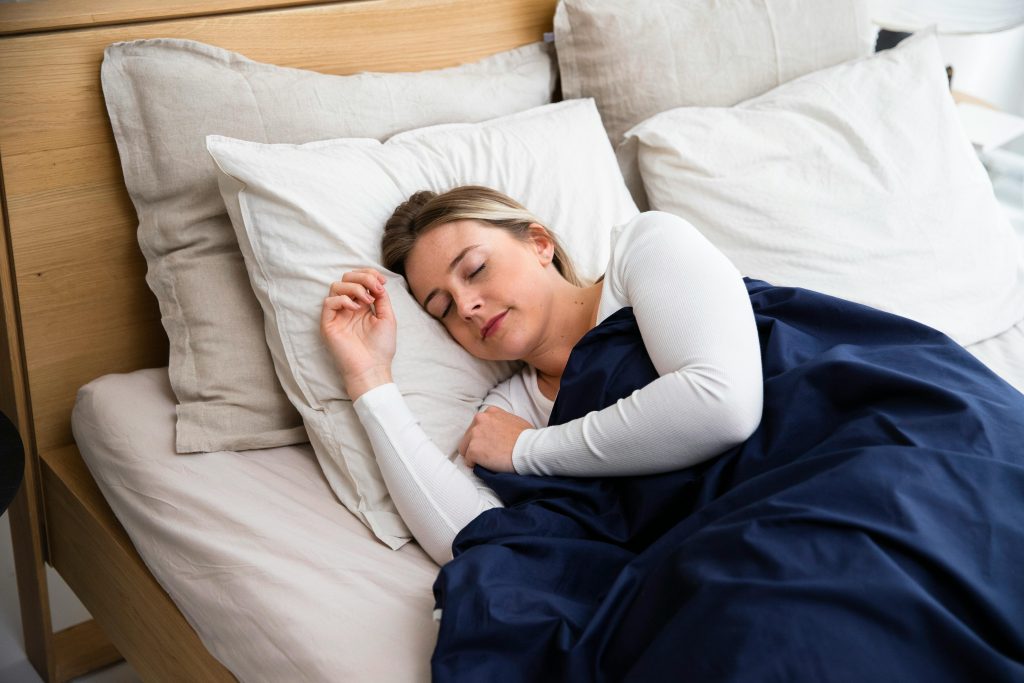
Have you ever crushed a workout, nailed your meal prep, and still felt like you were hitting a wall? You might be surprised to learn the problem isn’t your gym routine or your diet. Sometimes after doing all the workouts, you ask, “Why am I not losing weight?” The real culprit is likely your sleep schedule. Think of sleep as your body’s natural “maintenance mode.” It is the time when your system actually builds the muscle you worked for.
Without enough rest, your body stays in a state of stress. This makes it nearly impossible to see the progress you deserve. Whether you are a total beginner or a pro, sleep is your greatest ally.
Why Your Body Craves the Pillow
When you drift off, your body doesn’t just shut down. It actually gets to work. It starts a massive repair project on your muscle fibers. It also resets your energy levels for the next day. Make sure to add high-protein meals for better results.
- Muscle Repair: Tiny tears from your workout are patched up and strengthened.
- Hormone Reset: Your fat-burning and muscle-building hormones reach their peak.
- Metabolic Boost: A rested body processes calories much more efficiently.
The Science of Gains and Shredding
The connection between sleep and your physique is all about chemistry. Two major players here are growth hormone and testosterone. Let’s see how sleep affects muscle growth and weight loss.
Building Muscle While You Dream
During deep sleep, your body floods your system with growth hormone. This is the primary driver for protein synthesis. If you cut your sleep short, you literally cut your muscle growth short. Similarly, testosterone levels plummet when you are tired. This leads to longer recovery times and less strength in the gym.
The Fat Loss Struggle
Have you noticed you want cookies and chips when you’re tired? That’s not a lack of willpower. It is your hormones.
- Ghrelin goes up: This hormone tells your brain you are starving.
- Leptin goes down: This hormone is supposed to tell you when you are full.
- Cortisol spikes: This stress hormone loves to store fat right around your midsection.
How to Optimize Your Rest
Quality is just as important as quantity. Most active people need between 7 and 9 hours of solid shut-eye. If you find yourself dragging or craving sugar, you need more rest. Change your daily routine for a better you.
Quick Tips for Better Sleep:
- Keep it Cool: A slightly chilly room helps you fall asleep faster.
- Ditch the Phone: Blue light from screens tricks your brain into staying awake.
- Be Consistent: Try to go to bed at the same time every night.
- Limit Caffeine: Stop the coffee at least eight hours before you plan to sleep.
Frequently Asked Questions
Can I still lose weight if I don’t sleep much?
It is much harder. Your body will fight to hold onto fat and burn muscle for energy instead.
Do naps count?
A 20-minute power nap is great for a quick boost. However, it can’t replace the deep cycles of a full night’s rest.
Is 6 hours enough?
For the vast majority of people, 6 hours is not enough for optimal physical recovery.
Final Thoughts: Rest to Win
If you want to see real changes, stop treating sleep like a luxury. It is a vital part of your training program. You can’t out-train a bad night of sleep. Start prioritizing your rest tonight, and you will see the results in the mirror tomorrow.